Cox’s Bazar
The world's longest natural sea beach, and Bangladesh's most visited coastal destination.
Beach
Chattogram Division
- Best period November to March (dry season)
- Recommended stay 3-4 days
- From Dhaka ~393 km
About Cox’s Bazar
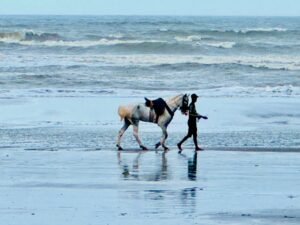
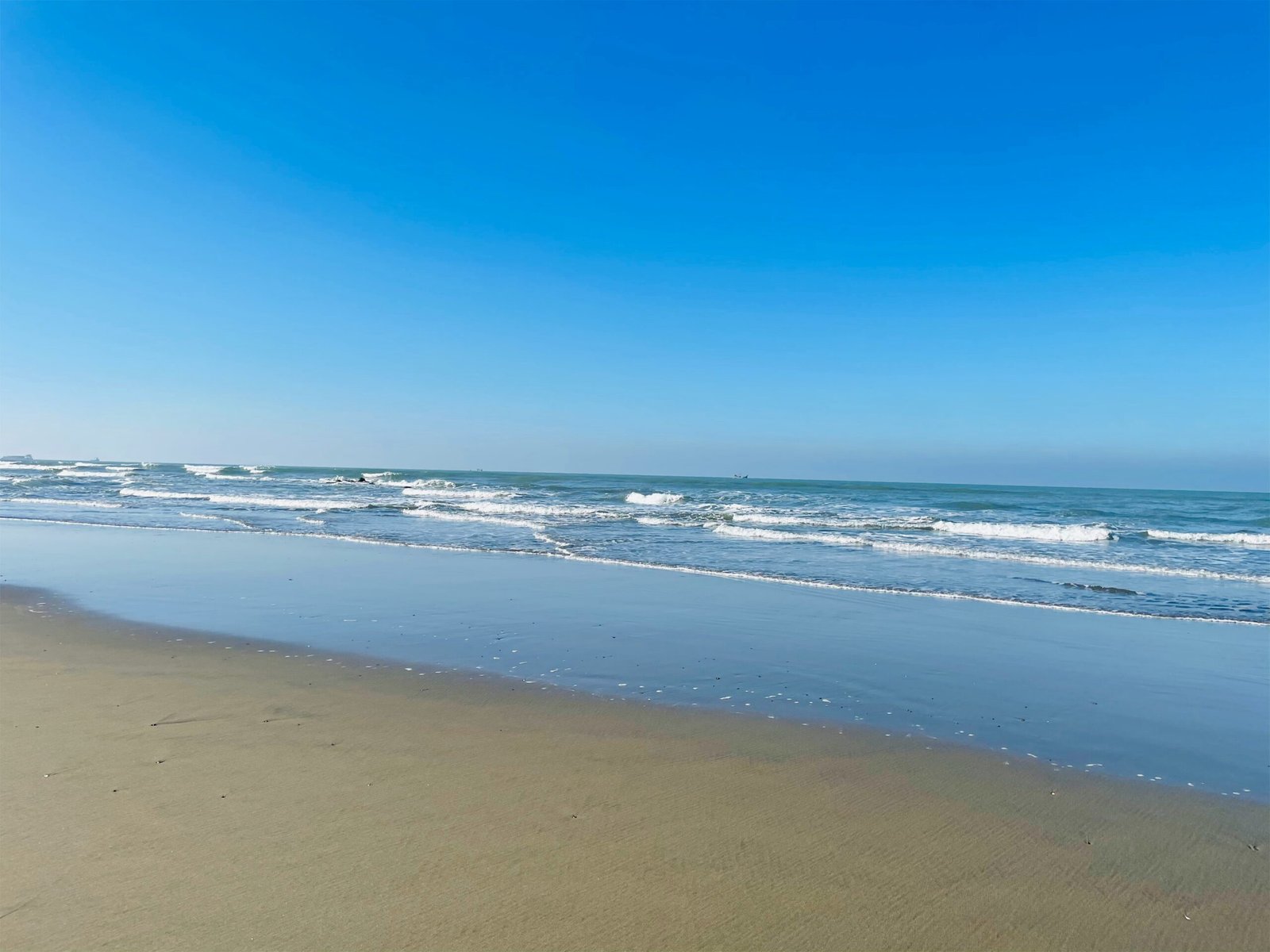
Cox’s Bazar is home to one of the world’s longest natural sea beaches, an unbroken stretch of sand running roughly 120 km along the Bay of Bengal in southeastern Bangladesh. It is the country’s most visited coastal destination, known for its wide open beach, sunset views, and easy access from Dhaka by air, rail, and road.
Plan Your Visit
November to March (dry season)
Why This Period?
Cox's Bazar's recommended window, November to March, falls within Bangladesh's cool, dry season, after the monsoon has withdrawn and before the pre-monsoon heat builds. Rainfall during these months is at its lowest levels of the year, so outdoor plans — beach time, coastal walks, boat trips — are far less likely to be disrupted, and skies are typically clearer for sunset views over the Bay of Bengal. Humidity also drops noticeably compared with the rest of the year, which most visitors, especially first-timers unused to a tropical climate, find easier to manage for a full day of sightseeing. This differs from the wetter months, when frequent, heavy rain and high humidity can make outdoor plans harder to predict. Even so, weather in any tropical destination varies day to day and year to year, so some rain or warmer spells are possible even within this recommended period.
Seasonal Context
- Recommended November to March (dry season)
- April and May bring Bangladesh's hot, pre-monsoon season. Temperatures and humidity climb noticeably compared with the cooler months, and short, intense pre-monsoon storms can appear with little warning. The beach and coastline are still accessible, but plan for shade, sun protection, and flexible outdoor timing.
- June through October is Bangladesh's monsoon season, when Cox's Bazar sees its heaviest and most frequent rainfall along with higher humidity throughout the day. Outdoor sightseeing becomes harder to plan around, sea conditions can turn rougher, and occasional storm systems in the Bay of Bengal may affect travel. Visitors who come during this period should build extra flexibility into their plans and follow local weather updates.
How to Reach Cox’s Bazar
From Dhaka
-
Trains: Cox's Bazar Express · Parjatak Express
Operated by: Bangladesh Railway
Book ahead through the official Bangladesh Railway e-ticketing site, especially during holidays and peak season — seats on this route sell out quickly. Check the official site for the current timetable before travelling, as train numbers and exact departure times can change.
Check schedule & book -
Biman Bangladesh Airlines (opens official site) · US-Bangla Airlines (opens official site) · NOVOAIR (opens official site) · Air Astra (opens official site)
Multiple airlines operate nonstop flights between Dhaka and Cox's Bazar. Check current schedules, fares and availability directly with the airlines before booking.
-
Multiple intercity coach operators serve the Dhaka–Cox's Bazar corridor, with departure points varying by operator. Confirm the current departure point, schedule and fare when booking.
From Chattogram
-
Trains: Saikat Express · Probal Express
Operated by: Bangladesh Railway
Direct Bangladesh Railway services connect Chattogram and Cox's Bazar. Verify the current timetable through Bangladesh Railway before travel, particularly during severe monsoon weather or disruption.
Check schedule & book
Location
Before You Go
Strong rip currents affect parts of the beach, and drownings are reported most years in unguarded areas. Swim only in zones marked safe by lifeguards, avoid swimming alone or far from shore, and take rough-sea warnings seriously during the monsoon months.
Frequently Asked Questions
Helpful answers for planning your visit to Cox’s Bazar.
Cox’s Bazar is best known for its long sandy coastline along the Bay of Bengal and its role as Bangladesh’s best-known beach destination. Beyond spending time by the sea, visitors can explore different beach areas, local seafood and markets, and make trips to attractions around the wider Cox’s Bazar region.
For most travelers, the drier and more comfortable months are the best choice, especially if the trip is focused on beaches and outdoor sightseeing. Conditions become hotter before the monsoon, while the monsoon brings more rain and potentially rougher sea conditions. Check the Plan Your Visit section above for the detailed seasonal breakdown before choosing your dates.
For a first visit, 3–4 days is a useful starting point. It gives you time to enjoy the main beach areas without rushing while leaving room for nearby attractions. A longer stay can make sense if you want a slower beach holiday or plan several excursions around the wider Cox’s Bazar region.
Cox’s Bazar can be reached from Dhaka by air, train and long-distance road transport. Flying is generally the fastest option; the Bangladesh Tourism Board’s tourism handbook describes the flight from Dhaka as about one hour. For detailed transport choices and practical guidance, see the How to Reach Cox’s Bazar section above.
Yes, but travelers should expect wetter weather and potentially rougher sea conditions, so a monsoon visit is different from a typical dry-season beach holiday. Outdoor plans may need more flexibility, and visitors should pay attention to current weather and local beach-safety instructions before entering the water.
Yes. Cox’s Bazar can work well for families and people visiting Bangladesh’s coast for the first time because the main tourism area combines beaches with accommodation, restaurants, markets and access to nearby attractions. As at any busy beach destination, visitors should supervise children closely around the water, follow lifeguard and local safety instructions, and take normal precautions with belongings.
The wider Cox’s Bazar region offers much more than the main beachfront. Popular options include Himchari and Inani Beach, while travelers planning farther excursions can consider places such as Ramu, Maheshkhali and Teknaf depending on their itinerary and current access conditions. Explore the Places to Explore section below for more information about attractions around Cox’s Bazar.
Check the weather before heading to the beach, follow lifeguard and Tourist Police instructions, avoid going farther into the water than local safety guidance permits, and keep the beach clean. It is also worth confirming transport and accommodation arrangements during busy travel periods. For destination-specific precautions, see the Before You Go information above.